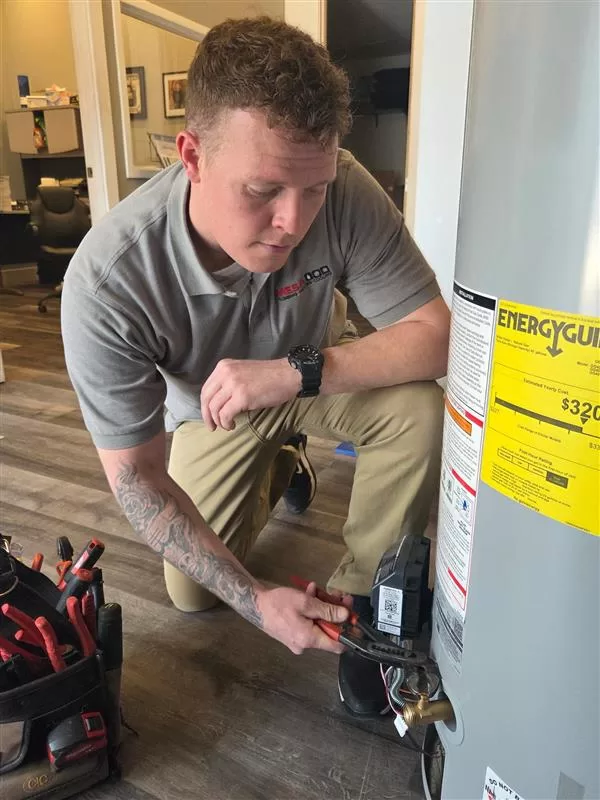
Plumbing
From emergency leak repairs to full bathroom remodels — our licensed plumbers handle it all, fast and at a fair price.
- Bathroom & Kitchen Plumbing
- Water Heater Install & Repair
- Leak Detection & Repair
- Fixture Install & Repair
Serving Northern Denver for over 40 years. Licensed, local, and ready when you need us.
"Called at 7am with a burst pipe and they had someone at my door within the hour. Fixed everything same day, price was fair, and they cleaned up after themselves. These are my guys from now on."
"Our furnace went out in January and Mesa came out the same evening. The tech was professional, explained everything clearly, and didn't try to upsell us on anything we didn't need. Highly recommend."
"Used Mesa for a full AC installation. They were on time, respectful of our home, finished in one day, and the price was exactly what they quoted. No games. This is a trustworthy company."
Expert plumbing, sewer, heating, and cooling services from a team that's been part of the Northern Denver community for over four decades.
From emergency leak repairs to full bathroom remodels — our licensed plumbers handle it all, fast and at a fair price.
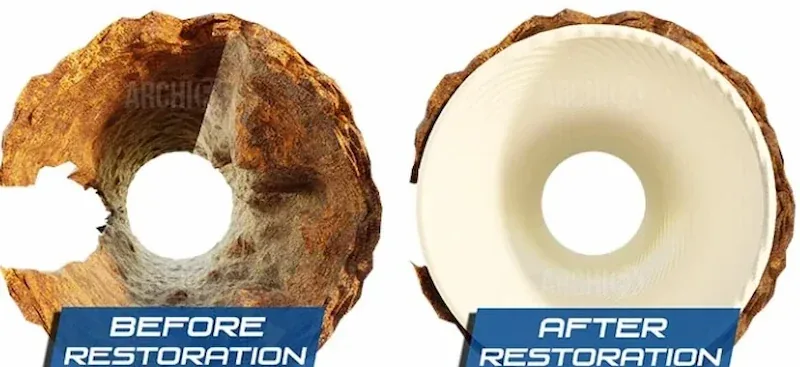
Specialists in non-invasive sewer solutions — no unnecessary digging, no mess, just expert repairs that last.
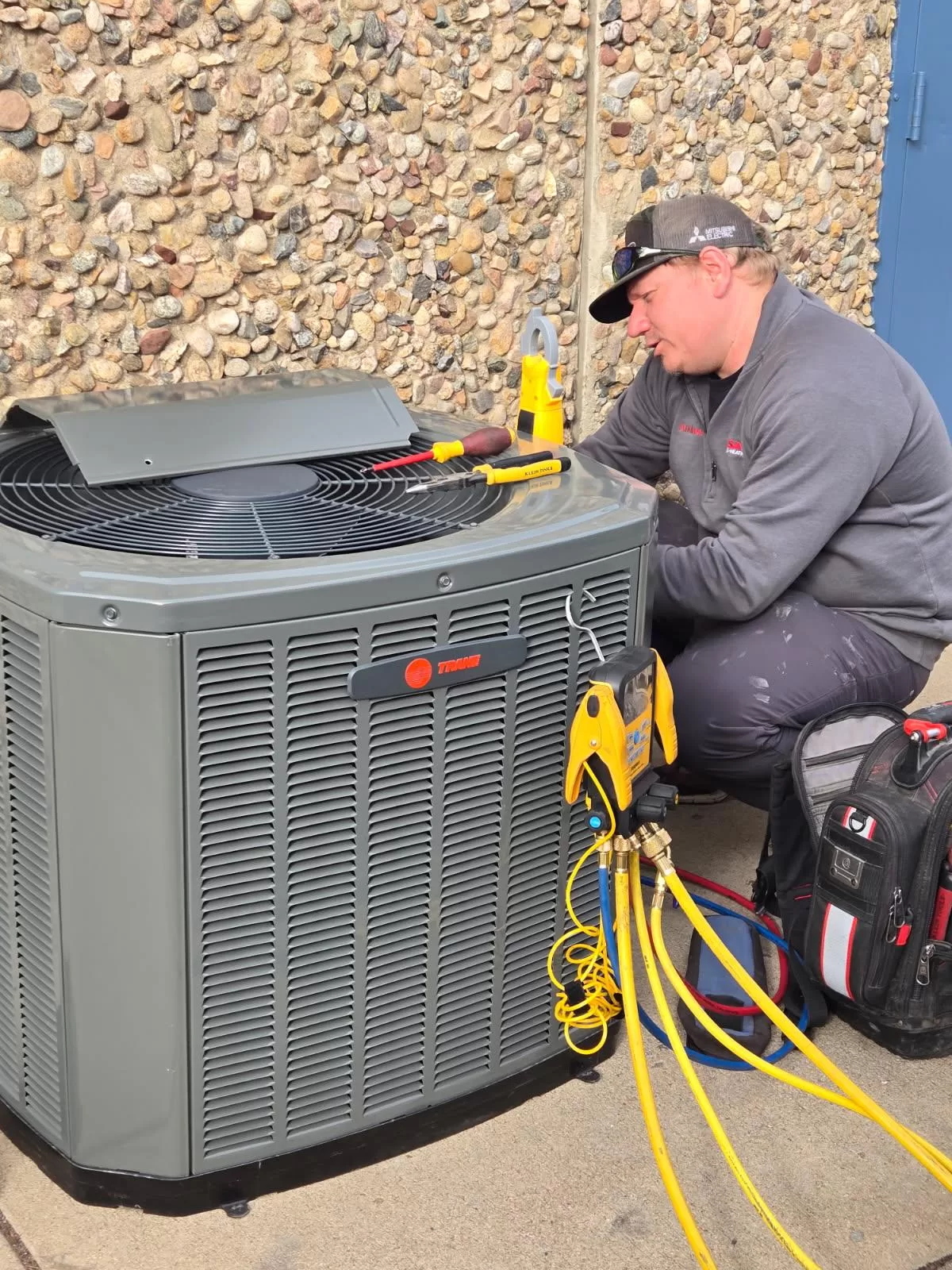
Stay comfortable year-round. We install, repair, and maintain all major heating and cooling systems across Northern Denver.
Act fast — these discounts are for a limited time. Enter your phone number and we'll text you the coupon instantly.
Just mention this deal when you call or schedule online and we'll apply it automatically.
Just mention this deal when you call or schedule online and we'll apply it automatically.
Just mention this deal when you call or schedule online and we'll apply it automatically.
Just mention this deal when you call or schedule online and we'll apply it automatically.
Just mention this deal when you call or schedule online and we'll apply it automatically.
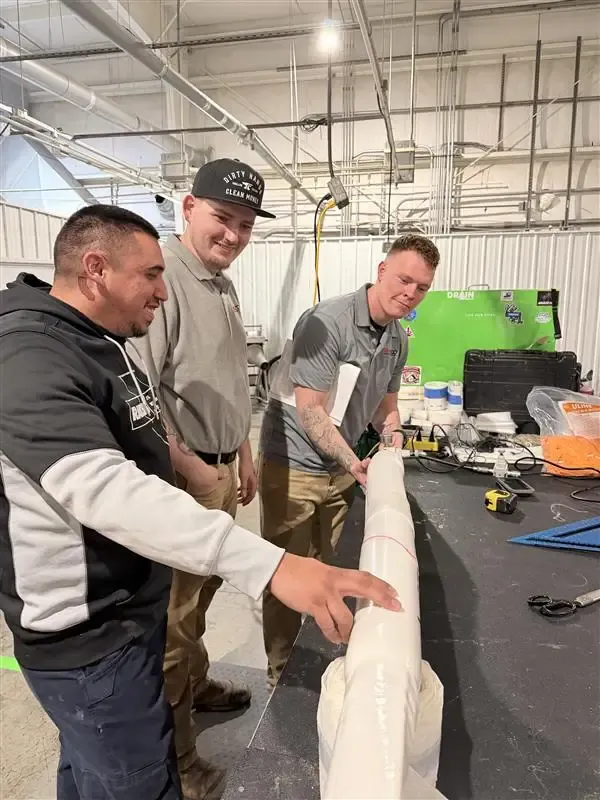
We're not a national chain. We're your neighbors — a family-owned team that's been taking care of Northern Denver homes since 1984. When you call us, you get a real person, real expertise, and honest pricing.
From Denver to Boulder and everywhere in between — if you're in Northern Colorado, we've got you covered.
Call us anytime — day or night. No after-hours fees, no runaround.