Recurring Backups
A blockage that returns after clearing can point to an unresolved problem farther down the line.
Boulder sewer diagnosis and repair
Mesa diagnoses root intrusion, cracked pipe, recurring backups, and collapsed sewer lines, then explains whether a targeted repair, trenchless method, or replacement fits the condition of the line.
Start with the problem
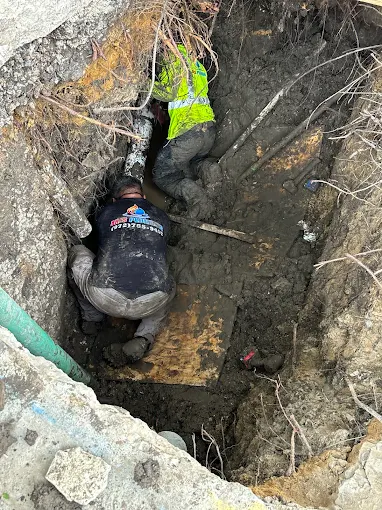
A recurring sewer backup can have several causes: roots entering a joint, a cracked section of pipe, a low or offset section, heavy buildup, or a collapsed line. The correct fix depends on where the failure is and how much of the pipe is affected.
Mesa evaluates the line before recommending repair or replacement. When damage is isolated, a targeted repair may be enough. When the line is extensively damaged, badly offset, or collapsed, replacement may be the more appropriate route.
Pipelining and other trenchless work can reduce excavation when pipe condition, alignment, and access allow it. Traditional excavation remains an option when the line is not a candidate for a trenchless method.
When to call
These symptoms can point to a main-line restriction or damaged pipe, but the source still needs to be diagnosed. A sewer camera inspection can help document the accessible line.
A blockage that returns after clearing can point to an unresolved problem farther down the line.
Several fixtures slowing together may indicate a restriction beyond one sink, tub, or toilet.
Sewage odors or air moving through fixtures can signal restricted flow or a sewer-line issue.
Wastewater at a floor drain or low fixture is a reason to stop using water and request service.
A clearer decision
Sewer repair is not one-size-fits-all. The goal is to choose an approach that addresses the actual failure without claiming a trenchless method fits every line.
Request an EvaluationAn isolated crack is different from a failure affecting a long section of the line.
Collapsed or badly offset pipe can rule out methods that depend on a usable path through the existing line.
Existing access points, depth, and what sits above the line all affect the available repair methods.
The recommendation should match the amount of failed pipe, not simply the most extensive option.
Request sewer service
Share the symptoms, service address, and best way to reach you. The request is routed through Mesa’s existing website lead system.
Frequently asked
Direct answers about repair, replacement, and trenchless options.
The condition and location of the failure determine the recommendation. An isolated damaged section may allow a targeted repair. A collapsed, badly offset, or extensively deteriorated line may require replacement. Mesa diagnoses the line before recommending an option.
Trenchless sewer work uses existing or limited access points to repair or replace a line with less excavation than an open trench. The pipe condition, alignment, access, and failure type determine whether a trenchless method is appropriate.
Recurring backups, multiple slow drains, sewage odors, gurgling fixtures, or wastewater appearing around a floor drain can point to a main sewer-line problem. A diagnosis is needed to locate the cause.
No. Some lines may qualify for a trenchless option, while collapsed, badly offset, or difficult-to-access sections may need excavation. Mesa reviews the available methods after diagnosing the line.
Call Mesa from 7:00 AM to midnight daily or send a request online.